

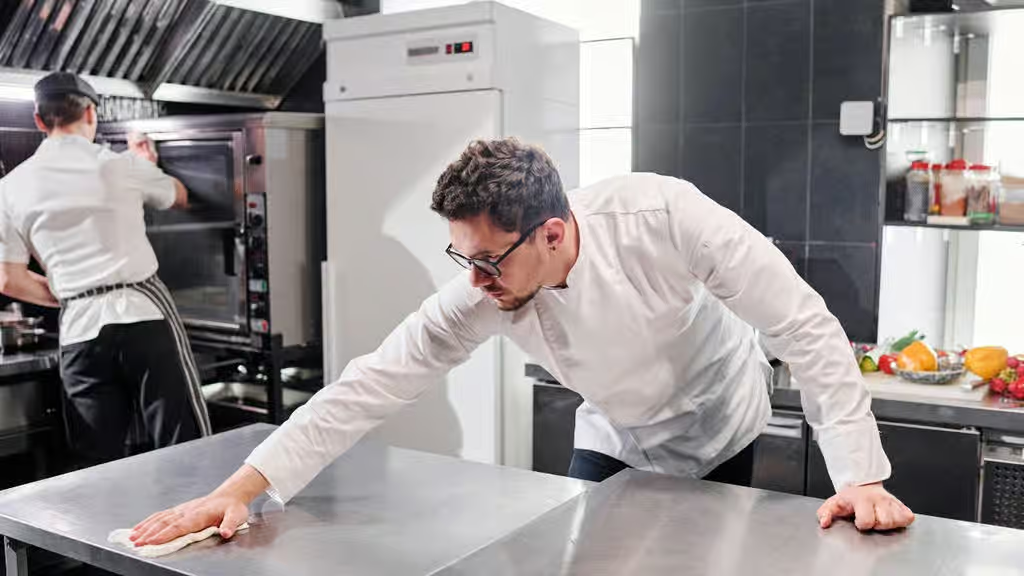
In the fast-paced environment of restaurant kitchens, maintaining cleanliness is crucial not only for health and safety standards but also for operational efficiency. Training staff effectively in kitchen cleaning procedures can significantly enhance productivity and ensure compliance with hygiene regulations. By incorporating clear, concise cleaning tips into training programs, restaurants can streamline their operations and foster a culture of cleanliness.
One of the primary benefits of providing clear kitchen cleaning tips during staff training is the establishment of consistent practices across all team members. When employees have a thorough understanding of what is expected in terms of cleanliness, they are more likely to adhere to these standards consistently. This consistency reduces confusion and errors, leading to a more organized and efficient workspace.
Moreover, clear instructions empower employees by giving them confidence in their roles. When staff members know exactly how to perform their tasks efficiently, it minimizes downtime and maximizes productivity. For instance, specific guidelines on how to clean various types of equipment or surfaces can prevent damage while ensuring that every area meets sanitation requirements. Employees trained with precise techniques are better equipped to handle routine cleaning as well as unexpected messes swiftly and effectively.
Another advantage is improved communication among team members regarding cleanliness responsibilities. With explicit instructions laid out during training sessions, there is less ambiguity about who is responsible for what tasks. This clarity fosters teamwork as everyone understands their role within the larger context of maintaining a pristine kitchen environment.
Furthermore, integrating clear cleaning tips into training helps reduce turnover rates by increasing job satisfaction among employees. A well-structured training program that emphasizes practical skills like effective cleaning techniques demonstrates an employer’s commitment to investing in its workforce’s development. Employees who feel valued are more likely to stay longer with the company, reducing recruitment costs associated with high turnover rates.
Additionally, focusing on efficient kitchen cleaning methods enhances food safety—a critical aspect for any dining establishment aiming for success in today’s competitive market landscape. Properly trained staff help minimize risks such as cross-contamination or pest infestations which could lead not only to health hazards but also reputational damage if left unchecked.
Finally, implementing straightforward Kitchen cleaning tips aligns with sustainability goals by promoting eco-friendly practices such as reducing water usage or minimizing chemical waste through proper product application techniques learned during training sessions.
